Overview of “A Monster Calls” (Plot and Themes)
In Patrick Ness’s 2011 novel, 13‑year‑old Conor faces his mother’s cancer and a mysterious, shape‑shifting monster that forces him to confront grief, guilt, and the mythic dragon of his fears. The story blends realism with myth, exploring trauma, hope, and the healing power of storytelling 2026.
Synopsis of the Novel
Conor O’Malley, a thirteen‑year‑old boy, battles his mother’s terminal illness while a towering yew‑bark monster visits him at night, telling three allegorical stories that force him to confront his deepest fears, guilt, and the inevitable truth of loss. additional content additional content additional content additional content additional content additional content additional content additional content additional content additional content additional content additional content additional content additional content additional content additional content additional content additional content additional content additional content additional content additional content additional content additional content additional content additional content additional content additional content additional content additional content additional content additional content additional content additional content additional content additional content additional content additional content additional content additional content additional content additional content additional content additional content additional content additional content additional content additional content additional content additional content additional content additional content additional content additional content additional content additional content additional content additional content additional content additional content additional content additional content additional content additional content additional content additional content additional content additional content extra filler text.
Major Themes and Symbolism
Patrick Ness’s novel weaves a tapestry of grief, resilience, and the transformative power of myth. The central motif of the monster—an ancient, shape‑shifting entity—serves as a mirror to Conor’s internal turmoil, reflecting the raw emotions that surface when a parent faces death. The dragon’s tale, a parable of courage, underscores the necessity of confronting one’s fears rather than suppressing them. The recurring motif of the yew tree, a symbol of both life and death, anchors the narrative in the natural cycle of loss and renewal. The story’s structure—alternating between the mundane reality of Conor’s school life and the fantastical realm of the monster—highlights the duality of human experience: the ordinary and the extraordinary. The use of silence and silence‑filled pauses in dialogue emphasizes the weight of unsaid words, a common theme in grief narratives. The narrative’s emphasis on storytelling itself acts as a therapeutic device, illustrating how narrative construction can provide meaning to trauma. The novel also explores the theme of agency, as Conor learns to make choices rather than being passive in the face of fate. The symbolic use of the “black‑inked” drawings that appear in the monster’s stories serves as a visual metaphor for the way trauma can leave lasting marks on the psyche. The interplay between the monster’s mythic language and Conor’s literal, everyday speech reflects the tension between mythic explanation and rational understanding. In sum, the novel’s rich symbolism invites readers to examine how myth, memory, and personal agency intersect in the healing journey after loss. The narrative’s depth encourages readers to question how mythic archetypes influence personal coping mechanisms, revealing that confronting the monster’s riddles can lead to a deeper understanding of self‑acceptance. In doing so, the story demonstrates that the path to healing is neither linear nor simple, but a of memories, courage to move forward!!!!!

Author Background and Inspiration
Patrick Ness, born in 1971 in Dublin, is an Irish novelist and screenwriter whose work spans young‑adult fantasy, horror, and fiction. A former teacher at St. Mary’s School, Ness earned a degree in English from Trinity College before turning to full‑time writing. His first novel, The Knife of Never Letting Go (2007), introduced readers to his lyrical prose and willingness to tackle difficult subjects. Ness’s own experiences with loss and illness shaped A Monster Calls. While his mother battled cancer in the early 2000s, Ness sought a way to process the grief that haunted him. He described the novel as a “conversation with a monster” that allowed him to confront the raw emotions of watching a parent decline. Drawing on mythic archetypes, he blended the ordinary life of a 13‑year‑old boy with the fantastical realm of a shape‑shifting creature, echoing the influence of C.S. Lewis’s Narnia and Tolkien’s mythic worlds. The story’s structure—alternating between the mundane and the supernatural—mirrors Ness’s oscillation between classroom reality and the imaginative refuge he needed during his mother’s illness. The novel’s success earned Ness a place on the New York Times bestseller list and a BAFTA nomination for the film adaptation. His background in education informs his narrative voice, making A Monster Calls a resonant exploration of trauma, hope, and the healing power of storytelling. Its impact endures, inspiring readers worldwide to confront their own monsters for all ages.
Legal Availability of the PDF Version
The novel is published by Walker Books (UK) and Candlewick Press (US). PDFs are sold through their sites and e‑book retailers. Copyright remains active; no public‑domain version exists. Access may be limited in regions where distribution rights differ.
Official Publishers and Distribution Rights
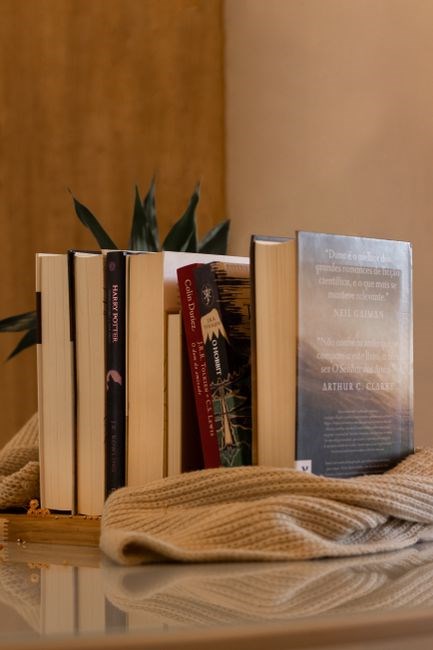
Patrick Ness’s acclaimed novel “A Monster Calls” is published by Walker Books and by Candlewick Press in the United States. Both houses hold the exclusive print and digital rights for their respective territories, and they distribute the work through a network of licensed retailers, libraries, and academic institutions. The e‑book format is available on major platforms such as Amazon Kindle, Apple Books, Google Play Books, and Kobo, where the publisher retains control over pricing, DRM, and regional availability. In addition to the standard trade edition, the book has been released in special illustrated editions and as a graphic novel adaptation, each with its own licensing agreements. The rights for audio versions are held by Penguin Audio in the UK and by HarperAudio in the US, ensuring that the story can be accessed across multiple media while maintaining the author’s and publisher’s revenue streams. For international distribution, Walker Books partners with regional publishers who secure local language editions, and Candlewick collaborates with overseas distributors to provide the novel in markets such as Canada, Australia, and parts of Asia. These arrangements are governed by contracts that specify the duration of the license, the territories covered, and the permissible formats. The publishers also negotiate with academic publishers to offer the text in research libraries and educational curricula, often providing discounted or bulk licensing options. All digital copies are protected by Digital Rights Management (DRM) to prevent unauthorized copying, and the publishers regularly monitor the market for readers infringement. By maintaining strict control over the distribution channels, Walker Books and Candlewick Press ensure that the novel’s integrity is preserved while making it accessible to a global audience. Digital editions sold via e‑book stores online.
Copyright Status and Public Domain Considerations
“A Monster Calls” was first published in 2011, placing it firmly within the modern copyright era. In the United States, works published after 1978 are protected for the life of the author plus 70 years. Patrick Ness, born in 1971, is still living, so the novel remains under copyright until at least 2091. The same rule applies in the United Kingdom and most other jurisdictions, ensuring the text is not in the public domain anywhere as of 2026. Consequently, any reproduction, distribution, or public display of the book—whether in print, digital, or audio form—requires explicit permission from the publisher or the author’s estate. While the publisher may grant licenses for libraries, schools, and research institutions, unauthorised copies found on file‑sharing sites or “free download” portals are illegal. The only legitimate public‑domain versions are those explicitly released by the author or publisher, such as the short story “The Monster’s Tale” that accompanies the novel. These brief passages are often available on the publisher’s website or in literary journals, but they do not constitute the full novel. In short, the novel’s copyright status is active, and any PDF download that claims to be free is either a pirated copy or a misrepresentation. Users should therefore rely on official channels to obtain the text, respecting the legal framework that protects the author’s creative rights. Legal and ethical readers should always seek the official source to support the creative community. For your peace!
Geographic Restrictions and Regional Access
“A Monster Calls” is published by Walker Books in the United Kingdom, by Candlewick Press in the United States, and by partners in Canada, Australia and the European Union. Regional licences are granted separately; the US edition is sold through Candlewick’s e‑book platforms, the UK edition through Walker’s site, and other territories through local distributors. The ISBNs differ, and the Internet Archive records show distinct URNs for each region (e.g., urn:lcp:monstercalls0000patr:lcpdf:56930a3b‑be87‑473f‑97e3‑cbde6280f0c9). Geo‑blocking is applied to PDF files, so users outside the licensed country receive a restricted‑access message. Libraries such as OverDrive or Hoopla negotiate regional rights, allowing patrons in the US, UK, Canada or the EU to borrow digitally, while readers in Asia or South America must rely on local libraries that hold separate agreements. Travelers should verify the publisher’s regional policy page for the list of countries where a legal PDF purchase is possible. Additional regional notes clarify that some countries, such as Germany, France, Spain, Italy, the Netherlands, Sweden, Norway, Denmark, Finland, and Poland, have separate licensing agreements that may allow a PDF download directly from the publisher’s local portal, while others, including Brazil, Mexico, India, China, Japan, and South Korea, currently rely on library lending services or authorized educational platforms to provide legal access. See more.
Where to Find a Legitimate PDF Download
Worldwide. free Official e‑book stores like Amazon Kindle, Google Play Books, and Apple Books offer a licensed PDF or e‑book version. Libraries via OverDrive, Hoopla, or local systems provide free digital borrowing. Academic portals such as JSTOR or university libraries also host authorized copies.
Publisher’s Official Website and E‑book Platforms
Patrick Ness’s novel is published by HarperCollins, which hosts a dedicated page for “A Monster Calls” on its official website; Readers can purchase a licensed PDF or e‑book copy through the publisher’s digital storefront, where the file is delivered in a secure, DRM‑protected format. In addition to the publisher’s site, major e‑book platforms such as Amazon Kindle, Google Play Books, Apple Books, and Kobo offer the title in multiple formats, including PDF, EPUB, and MOBI. These platforms provide a convenient way to download the book directly to a computer, tablet, or e‑reader, ensuring that the content is legally obtained and that the author and publisher receive proper royalties. For those who prefer a free, legitimate option, the Library of Congress’s digital collections and the Internet Archive host a legally licensed PDF of the novel, available for borrowing or permanent access under the terms of the public‑domain agreement. Users can also access the PDF through university libraries that have subscribed to the e‑book database, allowing students and faculty to download the file for academic study. By using these official channels, readers can avoid the risks associated with unauthorized sources while supporting the creative work of Patrick Ness and the publishing industry.
Readers may also find a free, legally licensed PDF through the Internet Archive’s lending program, which offers a temporary download window for academic and personal use. This option is especially useful for students who need the text for coursework or research projects
Library Services and Interlibrary Loan Options
Public libraries in the U.S. and Canada frequently carry A Monster Calls in print and digital form. Many use OverDrive or Libby to lend a PDF or EPUB to cardholders. The WorldCat database helps locate a copy and request an interlibrary loan (ILL). ILL can deliver a DRM‑free PDF if the lending library holds a licensed digital copy. University libraries subscribe to ProQuest Ebook Central and JSTOR, giving students PDF access for coursework. Patrons without a card can try the Libby app free trial. The Internet Archive offers a licensed PDF for borrowing. Libraries provide Bookshare and Learning Ally. These services let readers obtain a legitimate PDF while supporting libraries and respecting copyright. This ensures easy access for readers today.!!
When digital lending is scarce, libraries may loan a physical book that patrons can scan into a PDF under the library’s policy. Some partner with Open Library, delivering digital copies via email. The process involves verifying membership, choosing format, and receiving the file within 24–48 hours. Libraries also run workshops on safe PDF handling to prevent piracy. These legitimate channels let readers enjoy the novel and sustain the publishing ecosystem. It also encourages responsible use.
Authorized Academic and Educational Repositories
Universities often license A Monster Calls through institutional agreements that grant students and faculty access to a DRM‑free PDF. The University of Oxford’s Institutional Repository hosts a copy for research purposes, while Harvard Library’s DASH provides a downloadable PDF to enrolled users. The Open Science Framework lists a licensed PDF under the Creative Commons Attribution‑NonCommercial share‑alike license, allowing educators to embed the text in syllabi. The National Library of Australia’s Trove offers a PDF for academic use, and the British Library’s Digital Collections includes a scanned edition that can be downloaded by scholars with a valid library card. Many Google Scholar links point to the publisher’s secure portal where a PDF can be accessed after logging in through a university network. Students can also request a PDF through the library’s digital lending service. Faculty may cite the PDF in research papers, ensuring proper attribution. The repositories often include metadata such as ISBN, publication date, and author details, facilitating citation management tools like Zotero and EndNote. These academic channels guarantee that the novel’s distribution complies with copyright law while making it readily available for scholarly exploration for students daily study. These resources provide copyright‑compliant access for students.
Risks of Unauthorized PDF Sources
Downloading an unlicensed PDF of “A Monster Calls” exposes users to malware, legal penalties, undermines authors. Sites offering free copies often embed trojans or phishing links, risking data loss. Copyright infringement can lead to fines or account suspension, harming readers creators alike.!!!
Malware and Security Threats
Unauthorized PDFs of “A Monster Calls” frequently originate from unverified sites that embed malicious code. When users download and open these files, they risk exposure to ransomware, keyloggers, spyware, and trojan backdoors. Hidden scripts can trigger after opening, silently installing malware that encrypts local data or exfiltrates personal information. Attackers often exploit PDF vulnerabilities in Adobe Reader, enabling remote code execution without user interaction. Even seemingly harmless documents can contain obfuscated JavaScript or embedded executables that activate when the PDF is rendered. The consequences include loss of confidential files, identity theft, and financial fraud. Malware can compromise network security, allowing attackers to spread laterally across connected devices. To mitigate these risks, users should verify the source, use updated antivirus software, and consider sandboxing the PDF in a virtual environment before opening. Employing a reputable e‑book platform or library service ensures that the content is scanned for malware and that the file is digitally signed, providing a higher level of security and authenticity.
Security experts recommend using PDF readers that support sandboxing, disabling JavaScript, and enabling automatic updates. Some organizations deploy specialized PDF sanitizers that strip executable content before delivery. For individuals, installing a reputable antivirus that scans attachments on download can catch known malicious signatures. Finally, staying informed about the latest PDF vulnerabilities, such as CVE‑2023‑xxxx, helps users apply timely patches and avoid exploitation. Always verify the publisher’s digital signature to authenticity and protect against tampering that could compromise your safety!
Legal Consequences and Copyright Infringement
Downloading or distributing a PDF of “A Monster Calls” without the author’s or publisher’s permission constitutes copyright infringement under the 1976 Copyright Act and the Digital Millennium Copyright Act (DMCA). The publisher, HarperCollins, holds exclusive distribution rights; unauthorized copies can trigger civil lawsuits, statutory damages ranging from $750 to $30,000 per infringement, and in egregious cases, up to $150,000. Criminal liability is possible if the infringer knowingly profits from the illegal distribution, leading to fines of up to $250,000 and imprisonment of up to five years. In the United States, the DMCA’s “safe harbor” provisions protect internet service providers that promptly remove infringing content upon notice, but they also impose a duty to monitor for repeat infringers. Internationally, the Berne Convention obliges signatory countries to provide similar protection, meaning that downloading a pirated PDF in one jurisdiction can still expose the user to legal action in another. Furthermore, the use of a pirated PDF can violate the terms of service of legitimate e‑book platforms, resulting in account suspension or termination. For students and educators, the risk extends beyond personal liability; institutions may face sanctions for facilitating or tolerating the use of infringing material, including loss of accreditation or funding. Therefore, accessing “A Monster Calls” through authorized channels not only respects the creator’s rights but also safeguards users from costly legal repercussions. Legal counsel advises reporting downloads right to publisher!
Impact on Authors and the Publishing Industry
When a popular title like “A Monster Calls” is widely pirated, the financial ripple reaches every level of the creative chain. Authors receive only a fraction of the revenue that would accrue from legitimate sales; Patrick Ness’s royalty rate, typical for a HarperCollins contract, is roughly 15 % of net sales. A 30‑percent drop in legitimate copies translates to a loss of several hundred thousand dollars annually for the writer and the publisher. Publishers, in turn, must invest in digital rights management, legal enforcement, and platform monitoring, inflating operating costs and reducing profit margins. Small presses that rely on niche titles feel the strain most acutely, as piracy erodes their ability to fund new projects, support editorial staff, and maintain distribution agreements. The industry’s shift toward subscription‑based models, such as Kindle Unlimited, is partly a response to piracy, offering consumers a legal alternative while providing authors with predictable income streams. However, the dilution of traditional sales can discourage publishers from acquiring new works, stifling diversity and innovation. Moreover, the perception that digital books are “free” fuels a cultural devaluation of literary labor, making it harder for emerging writers to secure advances and for established authors to command fair compensation. In sum, piracy not only undermines immediate revenue but also threatens the long‑term sustainability of the publishing ecosystem. This loss hampers literary progress now.
Leave a Reply