Badge Overview
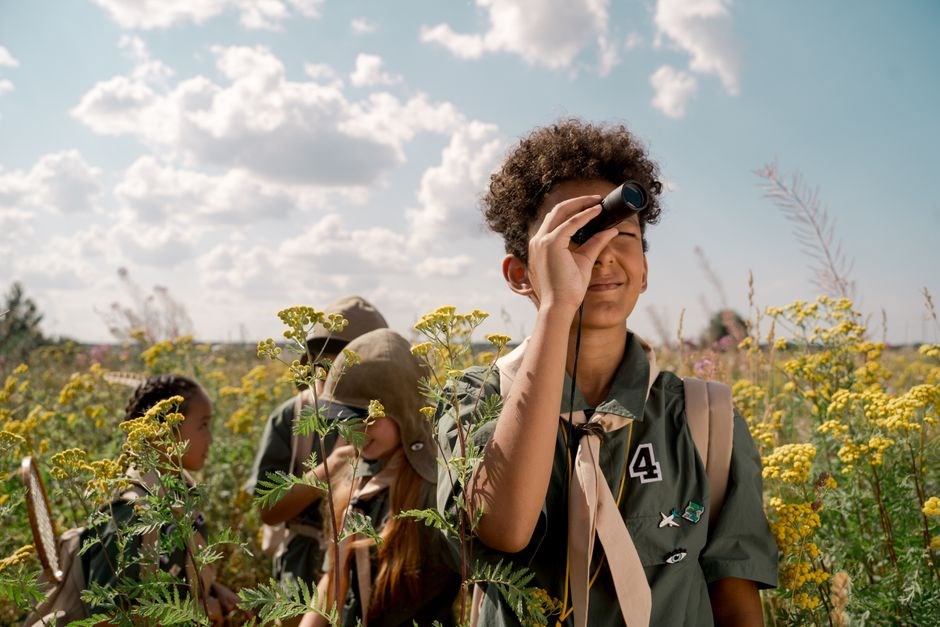
Daisy Animal Observer Badge requires a 30‑minute field observation and guided hike. Participants record animal sightings, habitats, and behaviors in an activity log. The 8‑page pamphlet details steps, while a 2‑page volunteer guide offers support. Earn it by completing all listed tasks. The badge inspires fun
Badge Description and Level
The Daisy Animal Observer Badge is a foundational Girl Scout achievement designed for 10‑year‑old girls in the Daisy age group. It encourages curiosity about wildlife, teaching participants how to observe and document animals in their natural habitats. The badge is earned by completing a 30‑minute guided hike, during which scouts record sightings of at least three different species, note their habitats, and describe observed behaviors. Participants must also complete a short reflection on how observation helps scientists understand ecosystems. The badge’s official PDF guide, available from the Girl Scouts National website, outlines the required steps, provides a printable activity log, and includes a list of recommended tools such as binoculars, field guides, and a notebook. Volunteers and leaders are encouraged to support scouts by providing a safe hiking route, ensuring the use of appropriate safety gear, and offering guidance on respectful wildlife observation. Once the activity log is filled and the reflection is submitted, the badge is verified by a leader and awarded. This badge fosters observational skills, environmental stewardship, and a lifelong appreciation for the natural world. For detailed instructions, download the official PDF guide at https://www.girlscouts.org/badges/daisy-animal-observer. The guide includes step‑by‑step instructions, a printable activity log, and a reflection template to help scouts document their observations. The badge encourages respectful interaction with wildlife and promotes understanding of ecological relationships.
Eligibility Criteria
To qualify, a Daisy must be 10‑year‑old, a Girl Scout member, and have a leader’s approval. No prior badge prerequisites are required. The activity must be completed during a supervised hike, and the scout must submit a signed activity log and reflection for verification. Scouts must also bring a water bottle.
Age, Membership, and Prerequisites
To earn the Daisy Animal Observer Badge, a scout must be a Girl Scout member in the Daisy age group, which includes girls aged 10 to 12 years old. The badge is open to all Daisy members regardless of prior badge completion, though a completed “Daisy” membership status is required. No specific animal‑study prerequisites are listed, but scouts should have basic field‑ready skills such as carrying a notebook, a water bottle, and wearing appropriate outdoor footwear. The activity must be completed under the supervision of a registered Girl Scout leader or volunteer guide, who must sign the activity log and verify that the scout has observed at least one animal and recorded its habitat. The leader’s signature confirms that the scout has met the age, membership, and readiness requirements before the badge can be submitted for award. Additionally, scouts are encouraged to bring a parent or guardian for safety, especially if the hike is in a remote area. The badge program emphasizes learning through observation, so scouts should be prepared to discuss their findings in a brief reflection section of the activity log. All documentation must be submitted in PDF format to the local council for final verification and award. The council will review the log, confirm the scout’s age and membership status, and issue the badge upon successful completion of all criteria. Participants should also keep a concise summary of the day’s observations, noting any unusual behaviors, and reflect on how these experiences deepen their appreciation for wildlife conservation.
Required Activities
Scout completes a 30‑minute guided hike, observes at least one animal, records species, location, and behavior in an activity log, and writes a brief reflection. Leader signs log. Submit PDF to council for verification. All documents must be scanned and emailed to the council office. ASAP
Field Observation and Guided Hike
To earn the Daisy Animal Observer Badge, a scout must participate in a structured 30‑minute guided hike led by a qualified adult or volunteer. The hike should take place in a natural setting such as a park, nature reserve, or forest trail that offers diverse habitats. During the walk, the scout is expected to actively observe wildlife, noting species, behaviors, and environmental context. The guide will provide prompts and questions to help the scout focus on key details, such as identifying animal tracks, listening for vocalizations, and recognizing signs of nesting or feeding. The scout records observations in a field notebook or a digital app approved by the council, ensuring that each entry includes the date, location, species name, and a brief description of the behavior seen. After the hike, the scout writes a short reflection on what was learned, how the observations connect to broader ecological concepts, and any personal insights gained. The guide signs the activity log to confirm completion. All documentation is then scanned or photographed and submitted as a PDF to the local council office for review. The council verifies the log, checks that the hike met the required duration and that the scout engaged in meaningful observation, and then awards the badge. This process encourages careful, respectful observation while fostering a deeper appreciation for the natural world. During the hike, scouts are encouraged to use binoculars or a magnifying glass to examine insects and small mammals. They should also note the time of day and weather conditions, as these factors influence animal behavior. The guide may introduce a simple classification system, helping scouts categorize observed species into mammals, birds, reptiles, amphibians, or insects. After the hike, scouts can compare their notes with a local field guide or an online database to confirm identifications. If a scout encounters a rare or protected species, the guide should explain the importance of leaving the animal undisturbed and following conservation guidelines. Finally, scouts are invited to sketch or photograph their observations, adding visual evidence to their log. These drawings or photos should be labeled with the species name and date. The guide will review all entries for accuracy before signing off. This comprehensive approach ensures that scouts develop observation skills, scientific curiosity, and respect for wildlife.
Observation Checklist
Check each item: identify at least three species, note habitat type, record time and weather, sketch or photograph, write brief description, use guidebook for confirmation, sign by leader, submit PDF. and record unusual behavior, observe plant interactions, note conservation concerns
Animal Identification and Habitat Notes
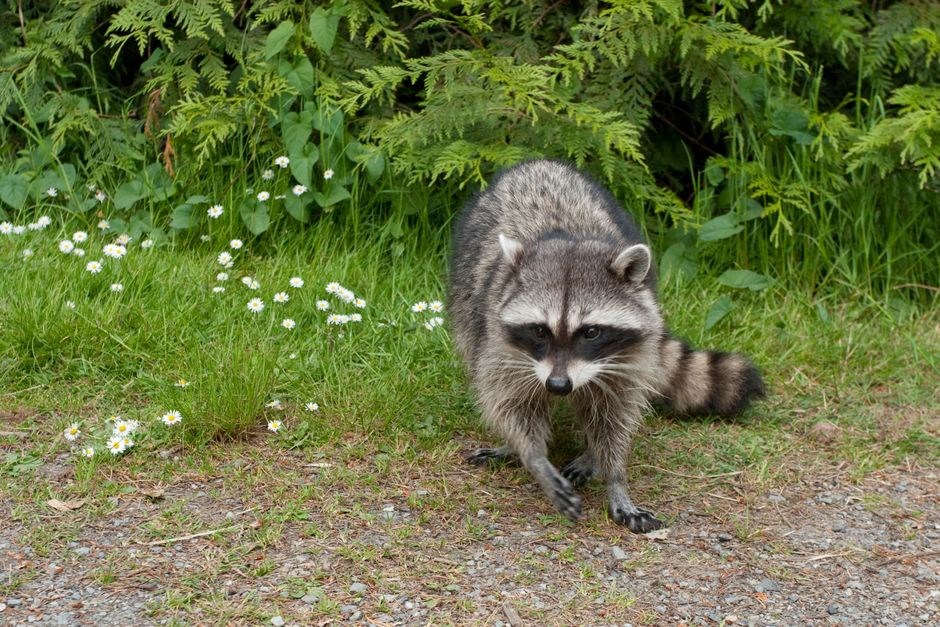
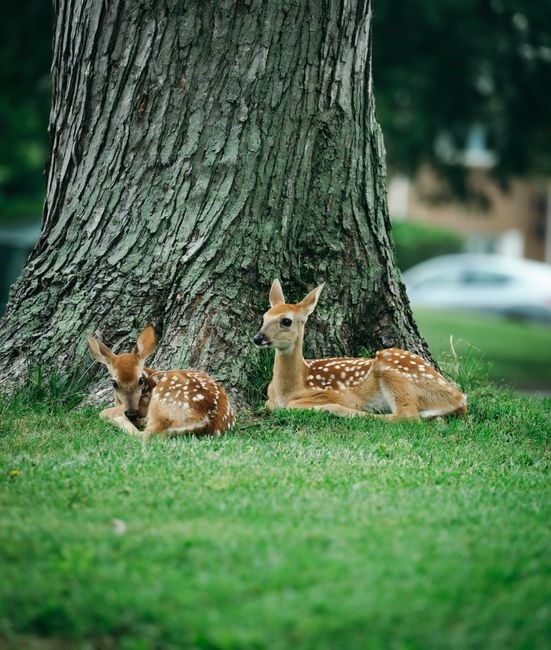
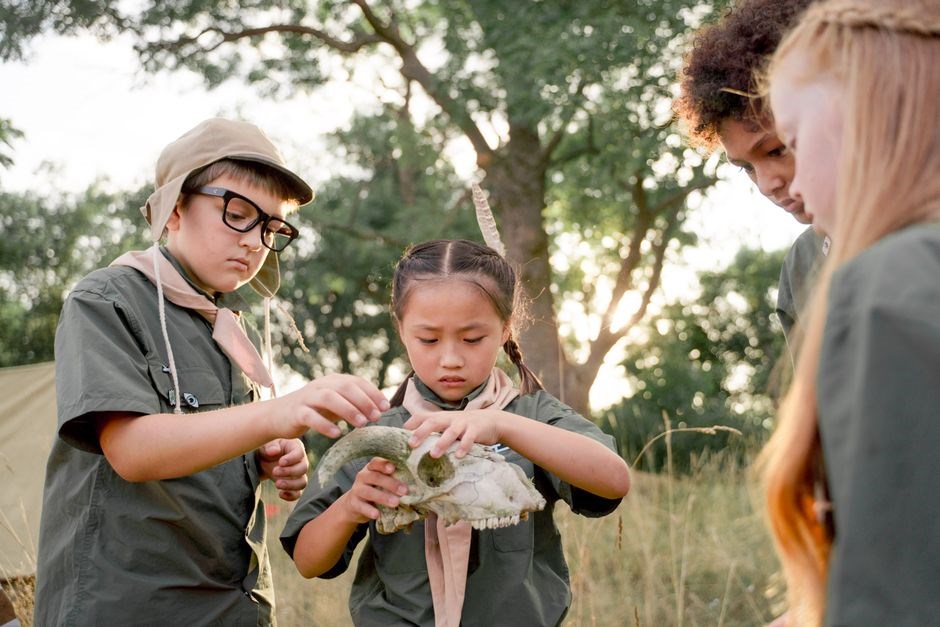
During the guided hike, scouts must accurately identify at least three distinct animal species. Use the official Girl Scout field guide or a trusted wildlife app to confirm sightings. Record each animal’s common name, scientific name, and any observable behaviors such as foraging, nesting, or social interactions. Note the specific habitat type—forest, meadow, wetland, or stream edge—where each species was observed, describing vegetation structure, canopy cover, and ground cover. Include GPS coordinates or a simple map sketch if possible.
Habitat notes should capture key environmental factors that influence the animal’s presence. Describe the moisture level, soil type, and any dominant plant species; Record the time of day and weather conditions, as these can affect animal activity patterns. If the animal was seen in a disturbed area, note signs of human impact such as trails, litter, or nearby structures. This information helps scouts understand ecological relationships and conservation needs.
After completing observations, scouts should review their notes with the leader to ensure accuracy. The leader will verify species identification using the guidebook and confirm that habitat descriptions meet the badge criteria. Once verified, the scout can submit the PDF of the activity log for award consideration.
Scouts should also note any signs of human impact, such as litter or trail erosion, and record how these affect local wildlife. Discuss findings with the leader to deepen understanding of ecosystem health and the importance of conservation efforts daily now.
Materials and Documentation
Gather a notebook, pencil, and a field guide. Bring a reusable water bottle, a small flashlight, and a camera or smartphone for photos. Use the 8‑page pamphlet to record observations, and keep the activity log in PDF format for submission. Verify all items before the hike by.
Tools, Supplies, and Activity Log
Participants should bring a sturdy notebook or a digital tablet with a waterproof case, a set of colored pencils or a fine‑point pen for quick sketches, and a small field guide or species identification app. A lightweight, reusable water bottle keeps hydration on hand, and a compact first‑aid kit with bandages, antiseptic wipes, and insect repellent protects against minor injuries. A small flashlight or headlamp is essential for early‑morning or late‑afternoon hikes, while a lightweight rain poncho or windbreaker offers protection against unexpected weather. A pair of binoculars or a small spotting scope enhances the ability to observe distant wildlife without disturbing them. For recording observations, the activity log should include columns for date, time, location, weather conditions, species seen, behavior noted, and any photographs taken. Each entry should be dated and signed by the leader or a supervising adult to verify authenticity. Photographs should be taken with a camera or smartphone, ensuring clear images of the animal’s face, markings, and habitat context. All documentation must be saved in PDF format and submitted through the official Girl Scouts portal, following the guidelines outlined in the 8‑page pamphlet. The log should be organized chronologically, with clear headings and consistent formatting to facilitate review by the badge verifier. Additionally, a reflection section at the end of the log lets participants describe what they learned about animal behavior how the experience contributed to growth.
Leader and Volunteer Guidance
The leader ensures safety, guides the hike, and verifies observations. Volunteers share knowledge, help with the activity log, and provide support resources. A 2-page volunteer guide outlines roles, expectations, and troubleshooting tips to maintain badge integrity. Observations recorded in a signed log today.
Roles, Volunteer Guide, and Support Resources
In the Daisy Animal Observer Badge program, the leader’s role is to orchestrate the entire experience, ensuring safety, compliance with guidelines, and a meaningful learning environment. The leader must first review the 8‑page pamphlet, identify the required observation sites, and schedule a 30‑minute guided hike that aligns with local wildlife seasons. They coordinate with park rangers or local conservation groups to secure access and obtain any necessary permits. The leader also verifies that each participant carries the activity log, a field notebook, and a simple binocular set if available. During the hike, the leader facilitates group discussion, prompts questions about animal behavior, and encourages participants to record observations in real time. They are responsible for checking the log entries for completeness, accuracy, and adherence to the observation checklist, and for providing constructive feedback before the badge submission deadline. Volunteers, on the other hand, act as support staff, assisting with logistics, distributing supplies, and offering one‑on‑one guidance to younger scouts. The 2‑page volunteer guide outlines specific tasks such as setting up observation stations, managing time limits, and ensuring that all participants understand the ethical considerations of wildlife observation. Volunteers also help maintain the integrity of the badge by monitoring for any potential double‑dipping scenarios, reminding participants that a single hike can satisfy multiple badges only if the activities differ!!!..
Submission and Award Process
Submit the completed activity log and observation checklist as a PDF to the local troop office. The leader verifies entries, signs the form, and uploads it to the online portal. Once verified, the badge is printed and mailed to the scout within two weeks; All documents must be signed by the troop leader Badge awarded
PDF Submission, Verification, and Badge Award
Scout must also submit a PDF of the completed activity log, observation checklist, and any supporting photos to the troop leader via the official online portal or by hand at the troop meeting. The leader reviews each entry for accuracy, confirms that the required 30 hike and field observation were performed, and verifies that the scout has recorded at least three distinct animal species, their habitats, and behaviors. Once verified, the leader signs the PDF and uploads it to the national database. The database triggers an automated email to the scout’s parent or guardian confirming receipt and the next steps. Within 10 business days, the national office prints the badge, stamps it with the official Girl Scouts seal, and mails it to the scout’s address. The scout may also receive a digital badge to display on their online profile. If any information is incomplete, the leader contacts the scout for clarification before final approval. Only when both the log and reflection meet criteria will the badge be approved.
Scout must also submit a brief reflection linking observations to ecological concepts such as food webs and habitat conservation. The reflection should be concise, attached to the PDF. The leader will assess depth of understanding, ensuring the scout explains why observing wildlife matters beyond the hike. Only when both the log and reflection meet criteria will the badge be approved. Thank.
Leave a Reply