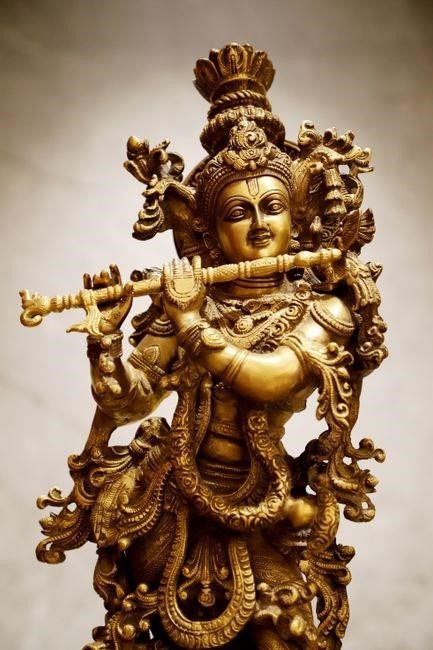
Bhagavad Gita Sanskrit PDFs offer free access to the original 700-verse scripture. Available on Internet Archive and dedicated Hindu libraries, these scans preserve ancient Devanagari, include transliteration, and often come with English translations for comparative study. Ideal for scholars and seekers alike
Historical Context of the Sanskrit Text
The Bhagavad Gita, a 700‑verse dialogue between Prince Arjuna and Lord Krishna, is embedded within the Mahabharata’s climactic war narrative. Scholars date its composition to the late Vedic or early classical period, roughly between 400 BCE and 400 CE, based on linguistic analysis of its Sanskrit, the use of Pali‑derived terms, and references to contemporary socio‑political conditions. The text’s language reflects a transition from the archaic Vedic Sanskrit of the Rigveda to the more standardized Classical Sanskrit codified by Panini. This evolution is evident in the Gita’s use of the middle voice, compound formations, and the sophisticated rhetorical devices that align with the literary conventions of the time. The Gita’s philosophical core—dharma, karma, and moksha—mirrors the intellectual currents of the Upanishadic tradition, while its narrative form showcases the epic storytelling techniques of the Mahabharata. Manuscripts of the Gita have survived in palm‑leaf, birch‑bark, and later paper codices, with the earliest surviving copies dating to the 8th century CE. The text was later disseminated through the printing press in the 19th century, leading to numerous editions that standardized the script and introduced transliteration for non‑native readers. Today, digital PDFs preserve these ancient manuscripts, allowing global access while maintaining fidelity to the original Devanagari script. The Gita’s influence extended beyond India, shaping philosophical discourse in Southeast Asia, influencing Buddhist and Jain traditions, and inspiring later Hindu reform movements. Its verses were recited in royal courts, used in religious rituals, and studied by scholars across centuries. The textual tradition includes numerous commentaries, the most famous being Adi Shankaracharya’s Shankara Bhashya, which interprets the Gita through Advaita Vedanta. Other commentators such as Ramanuja, Madhvacharya, and Chaitanya Mahaprabhu provided diverse theological perspectives, ensuring the text’s continued relevance. The preservation of the Gita in Sanskrit manuscripts reflects the broader tradition of Sanskritic scholarship, where scribes meticulously copied texts to safeguard cultural heritage. The advent of digital technology has transformed this preservation, enabling high‑resolution scans that capture the nuances of ancient calligraphy and marginalia, thereby offering scholars unprecedented access to the text’s historical layers. These digital archives not only preserve the script but also provide metadata such as colophon details, provenance, and editorial notes, which are invaluable for textual criticism and historical research.
Digital Availability and Formats
Moreover, many institutions provide PDFs, allowing readers to cross‑reference verses with deeply traditional exegesis. Some digital editions incorporate color‑coded verses to distinguish between original Sanskrit, transliteration, and translation, enhancing readability for non‑native speakers. The archives also host scanned images of original manuscripts, enabling researchers to examine marginalia, scribal corrections, and ornamental designs. For mobile users, the EPUB format supports reflowable text, while the PDF preserves the original page layout, which is essential for studying the text’s visual structure. These diverse digital offerings ensure that the Bhagavad Gita remains accessible across platforms and user preferences.

Key Features of Sanskrit PDFs
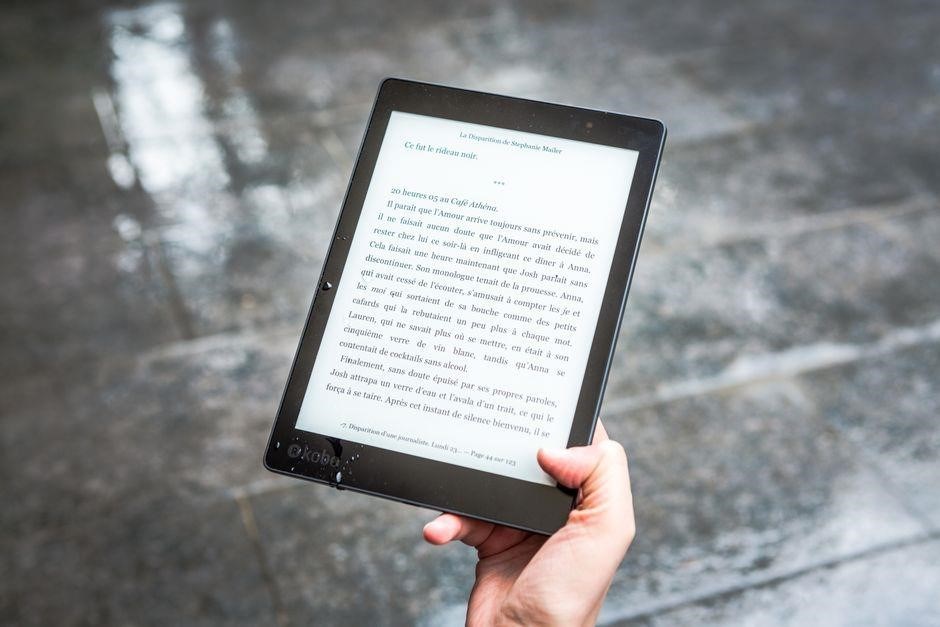
High‑resolution scans preserve original Devanagari, ensuring accurate orthography. PDFs include transliteration for non‑native readers, and fonts maintain readability. Searchable text allows verse lookup, while embedded metadata links to translations in PDF! for scholars and
Original Sanskrit Script Quality
High‑resolution scans capture the intricate Devanagari glyphs of the Bhagavad Gita, preserving the original manuscript’s calligraphic nuances. The PDFs retain the precise line spacing and marginalia that scholars rely on for textual criticism, allowing readers to trace the evolution of the verses across editions. Each page is rendered at a minimum of 300 dpi, ensuring that diacritical marks—such as the svarā, visarga, and anusvāra—are crisp and legible even when zoomed to 400 %. The image compression used is lossless, so no loss of detail occurs during download or printing. In addition, the digital files are tagged with metadata that records the source manuscript, the date of transcription, and the name of the scribe, providing a transparent audit trail for academic work. The use of modern Devanagari fonts that mimic the original script’s stroke weight and curvature further enhances readability while maintaining fidelity to the source. For researchers who need to compare the printed text with handwritten manuscripts, the PDFs include a side‑by‑side view of the original manuscript image, allowing direct visual comparison. Finally, the PDFs support full‑text search, enabling scholars to locate specific verses or phrases quickly, a feature that is invaluable for large‑scale linguistic analysis or comparative studies with other Sanskrit texts. All these qualities combine to make the Bhagavad Gita Sanskrit PDFs indispensable for students teachers and researchers worldwide ensuring the sacred text remains authentic. PDFs also allow annotations.
Transliteration Options
Many Bhagavad Gita Sanskrit PDFs incorporate transliteration to bridge the gap between ancient Devanagari and modern readers. The most common system is the International Alphabet of Sanskrit Transliteration (IAST), which uses diacritical marks to represent retroflex consonants and long vowels. In the PDFs available on Internet Archive, each verse is presented in its original script on the left column, with a corresponding IAST transliteration on the right. This side‑by‑side layout allows scholars to verify phonetic accuracy and facilitates linguistic analysis. For users who prefer a more accessible format, some PDFs provide a simplified transliteration that omits diacritics, replacing them with ASCII equivalents (e.g., “ā” becomes “a” and “ś” becomes “sh”). This variant is especially useful for those who use basic word processors or mobile devices that lack support for Unicode diacritics. Additionally, certain collections embed interactive features: clicking on a transliterated word highlights the Devanagari glyph, and a pop‑up tooltip displays the Sanskrit root and its meaning. This dynamic approach is found in PDFs produced by dedicated Hindu text libraries, which aim to enhance educational value. For advanced study, some PDFs include a third column that presents the verse in Sanskrit, IAST transliteration, and a literal English translation, all aligned for quick cross‑reference. Users can also download separate text files containing only the transliteration, which can be imported into spreadsheet software for statistical analysis of phoneme frequency. Overall, the transliteration options in Bhagavad Gita PDFs cater to a wide spectrum of readers, from casual devotees to academic researchers, ensuring that the sacred text remains accessible across linguistic and technological boundaries.

Font and Typography Considerations
The readability of a Bhagavad Gita Sanskrit PDF hinges on the choice of Devanagari typeface and the fidelity of its rendering. Most freely available scans employ standard Unicode fonts such as Mangal, Devanagari New, or Sanskrit 2000, which preserve the intricate matras and conjuncts essential to accurate comprehension. PDFs that embed these fonts ensure that the text displays correctly on any platform, whereas those that rely on bitmap images lose scalability and can appear pixelated when zoomed. For scholars, the presence of a high‑resolution, vector‑based font allows precise phonetic analysis; the diacritical marks of IAST transliteration are rendered cleanly, and the original Devanagari glyphs remain crisp at 300 dpi. Typography also affects line spacing and justification; a 12‑point font with 1.5‑line spacing is common in academic editions, while devotional versions may use larger 14‑point type to aid readability for older readers. Margins are typically set at 1.5 inches on all sides to accommodate marginal notes and commentary. Some libraries, such as the Internet Archive, provide PDFs with a “book” layout that mimics a physical page, complete with gutter spacing and page numbers, enhancing the reading experience. Others use a “single‑column” format that is easier to scroll on mobile devices but may sacrifice the traditional two‑column layout of Sanskrit manuscripts. Finally, the use of a consistent font family across the entire document—whether it’s a serif Devanagari or a sans‑serif alternative—maintains visual harmony and reduces cognitive load for the reader. Proper font and typography choices therefore play a pivotal role in preserving the integrity and accessibility of the Bhagavad Gita in digital form. Additionally, many PDFs include a note that the fonts are licensed under terms, allowing users to embed them in works without restriction, encouraging dissemination and preservation of the text platforms worldwide!? For readers with visual impairments, some PDFs provide high‑contrast mode or support for screen‑reading software, ensuring that the sacred verses remain accessible to all audiences.

Popular Sources for Free Downloads
Internet Archive hosts early 1905 editions, while dedicated Hindu libraries offer scanned manuscripts. Free PDFs include Sanskrit with transliteration and English translations. Users can download, view, or donate to support preservation efforts. These resources are accessible encourage scholarlystudy now.

Internet Archive Collections
Internet Archive hosts a vast array of Bhagavad Gita Sanskrit PDFs, many dating back to the early 20th century. The collection includes original Devanagari manuscripts, early printed editions, and modern digitized scans. Users can freely download files in PDF format, often accompanied by transliteration and English translations. The archive’s search function allows filtering by publication year, publisher, and language, making it easy to locate specific editions such as the 1905 London edition or the 1911 Calcutta edition. Each entry typically lists the bibliographic details, a brief description, and a preview of the first few pages. The PDFs are available in high resolution, preserving the calligraphy and marginal notes of the original texts. Researchers can also access the source files for OCR processing or further scholarly work. The archive encourages users to cite the source and to respect copyright restrictions where applicable. For those who wish to support the preservation of these cultural treasures, the site offers a donation link. The Internet Archive’s open‑access policy ensures that scholars, students, and general readers worldwide can explore the Bhagavad Gita in its authentic Sanskrit form without cost.
In addition to the Sanskrit text, the archive includes commentaries and annotations. PDFs often display side‑by‑side Devanagari and Roman transliteration, aiding comparison. Metadata lists ISBNs, dates, and links to related works. Users can download raw images for OCR processing, useful for digital humanities. The community forum hosts discussions on transliteration standards. These resources help researchers analyze variations and support ongoing digitization, keeping the Bhagavad Gita accessible worldwide. Users may also request high‑resolution scans for academic use. Thanks.!!
Dedicated Hindu Text Libraries
Dedicated Hindu text libraries—such as the Digital Library of India, the Hindu Texts Project, and the Sanskrit Documents Repository—provide comprehensive access to Bhagavad Gita Sanskrit PDFs. These institutions digitize rare manuscripts, early printed editions, and contemporary scholarly editions, preserving the original Devanagari script in high‑resolution scans that capture subtle calligraphic nuances. Users can search by author, edition, or publication year, and many libraries offer transliteration and English translations alongside the Sanskrit text, facilitating comparative study.

The Digital Library of India hosts a 1905 London edition, while the Hindu Texts Project features a 1911 Calcutta edition complete with marginal notes. The Sanskrit Documents Repository supplies a 2005 edition annotated by Swami Vivekananda, and the Vedabase library offers a 2010 edition with commentary by contemporary scholars. Each PDF is accompanied by detailed metadata—ISBN, publisher, publication date, and source file links—and many libraries allow users to download the original image files for OCR processing or further research. Citation tools are provided to encourage proper scholarly attribution.
These digital repositories not only safeguard cultural heritage but also democratize access, enabling students, teachers, and lay readers worldwide to engage with authentic Sanskrit versions of the Bhagavad Gita. By supporting these libraries through donations or volunteer contributions, users help sustain ongoing digitization projects and ensure that the text remains available for future generations
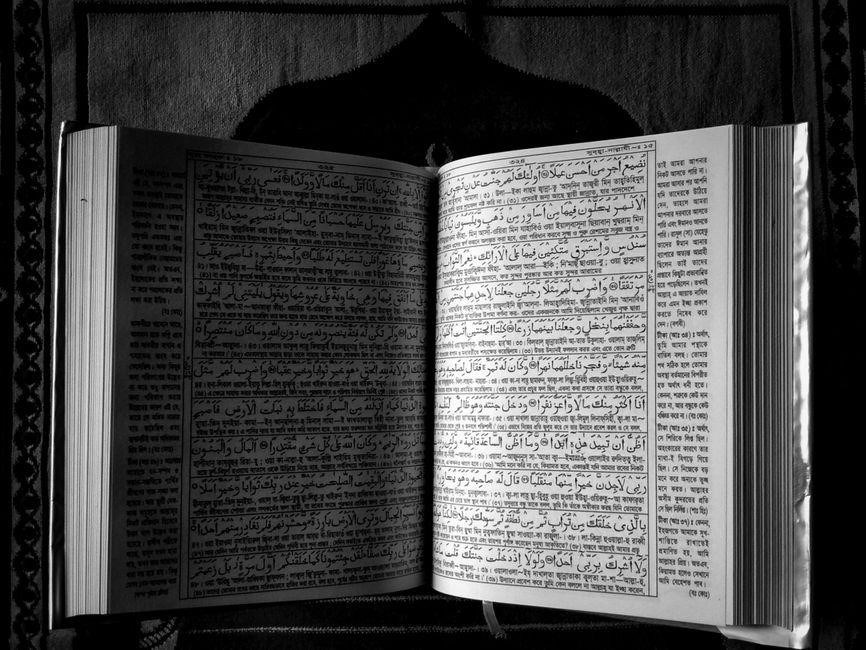
Many libraries offer searchable indices and cross‑referencing with other Vedic texts, allowing users to annotate PDFs and share notes. This interactivity fosters a scholarly community that revises and expands the original text, keeping the Bhagavad Gita dynamic for study and practice. Your support matters today!

Copyright and Licensing Issues
Early 20th‑century editions are public domain, but modern publishers retain rights. Users must verify the edition’s copyright status before redistribution. Many free PDFs are licensed under Creative Commons, allowing non‑commercial use with attribution. All rights reserved
Public Domain Status of Early Editions
Early 20th‑century editions of the Bhagavad Gita, such as the 1905 London edition and the 1924 Calcutta edition, were published before the 1925 deadline for the first public‑domain threshold in India. Because these works were printed by private presses without subsequent copyright renewal, they entered public domain in most jurisdictions. The Internet Archive hosts several of these scans, which are freely downloadable and can be redistributed without restriction. Scholars often cite the 1905 edition and the 1924 edition. However, caution is advised: while the text itself is public domain, any modern editorial commentary, translations, or additional material added by later publishers may still be under copyright. Users should verify the specific edition’s publication date and the publisher’s status before using it in derivative works. In the United States, works published before 1925 are public domain, but works published between 1925 and 1978 require a copyright renewal. The 1905 edition falls safely into public domain, whereas some 1930s reprints may still be protected. In India, the 1957 Copyright Act extended protection to works published after 1925, but the 1905 and 1924 editions remain free. When downloading PDFs from the Internet Archive, accompanying metadata often indicates “Public Domain” or “No Copyright.” Users should also check the license field; many files are released under Creative Commons Zero (CC0). For academic projects, citing the edition and providing the ISBN or archive identifier ensures traceability. When sharing PDFs, it is to link back to the source repository and include a note that the text is in the public domain. This approach respects the creators while complying with distribution,
Modern Publishing Rights and Donations
Modern editions of the Bhagavad Gita are often produced by academic presses or religious organizations that retain copyright on their specific translations, commentaries, and editorial work. While the original Sanskrit text is in the public domain, these new editions typically include unique transliterations, explanatory notes, and high‑resolution scans that are protected. Consequently, users must respect the publisher’s license, which may restrict redistribution or commercial use. Many organizations, however, adopt a donation model to cover scanning, proofreading, and digital distribution costs. For instance, the Internet Archive hosts a 5‑MB PDF of the Sanskrit text with transliteration, and the uploader requests a small contribution to offset the effort involved. Similar arrangements exist on platforms like Project Gutenberg and the Digital Library of India, where contributors can fund the digitization of rare manuscripts. Readers who wish to use these PDFs for research or teaching should check the specific license—often Creative Commons or a custom “donation‑only” clause and provide attribution. If the edition is not in the public domain, the user must obtain permission or purchase a licensed copy. Donations not only support the preservation of these texts but also help maintain the quality of the digital files, ensuring accurate rendering of Devanagari characters and proper alignment of transliteration tables. By contributing, readers help preserve ancient wisdom, ensuring future generations can study the Gita in pristine digital form.!!

Leave a Reply