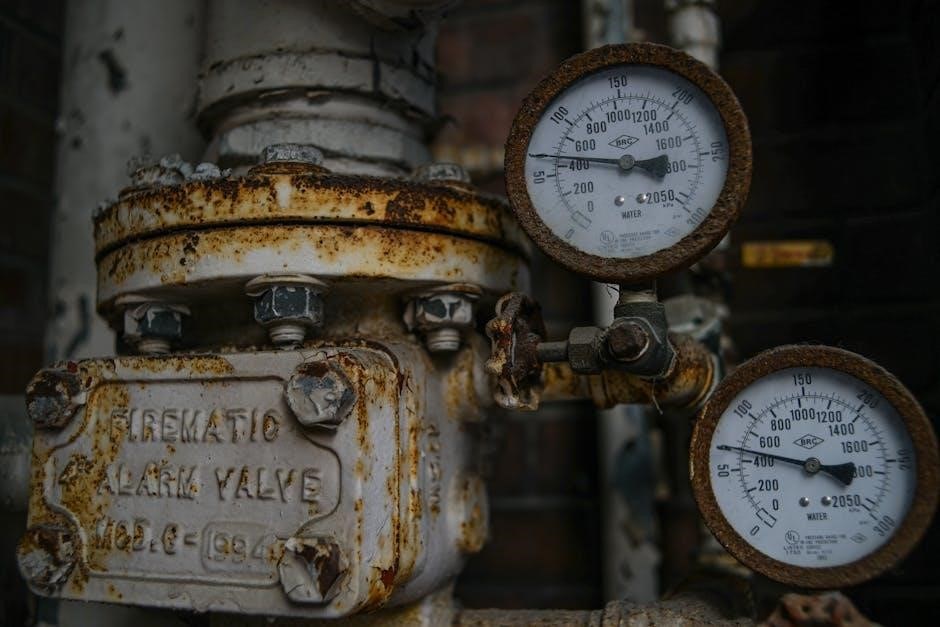
Taco Zone Valve Wiring Diagram PDF: A Comprehensive Guide (Updated 04/15/2026)
Unlock expert guidance! This detailed PDF manual simplifies Taco Zone Valve wiring, ensuring optimal performance and compatibility with leading brands, starting today!
Taco Zone Valves represent a cornerstone in modern hydronic heating and cooling systems, offering precise temperature control and enhanced energy efficiency. These valves intelligently regulate the flow of hot or chilled water to specific zones within a building, allowing for customized comfort levels and significant cost savings. Understanding their function and, crucially, their wiring is paramount for installers, maintenance personnel, and even informed homeowners.
This guide focuses on demystifying the Taco Zone Valve Wiring Diagram PDF, providing a comprehensive resource for navigating the complexities of installation, troubleshooting, and repair. Whether you’re dealing with a 24V or 120V system, or a specific series like the 571 or 573, a clear understanding of the wiring schematics is essential. Proper wiring ensures reliable operation, prevents system failures, and maximizes the benefits of your Taco Zone Valve investment. We will explore various configurations and safety protocols.
What is a Taco Zone Valve?
A Taco Zone Valve is an electromechanical device designed to control water flow within a hydronic heating or cooling system. Essentially, it acts as a remotely operated switch for water, opening and closing in response to a thermostat signal. This allows for independent temperature control in different areas, or “zones,” of a building – a key feature for comfort and energy conservation;
Unlike manual valves, Taco Zone Valves utilize a solenoid actuator, powered by either 24V or 120V electricity, to precisely regulate water flow. The Taco Zone Valve Wiring Diagram PDF details how this solenoid connects to the system’s control circuit. Different series, like the popular 571 and 573, have specific wiring requirements. Understanding these nuances, as outlined in the diagrams, is crucial for correct installation and troubleshooting. They are integral to efficient HVAC operation.
Why Use a Taco Zone Valve?
Employing Taco Zone Valves offers significant advantages in hydronic heating and cooling systems. Primarily, they enable zoned comfort, allowing you to heat or cool only occupied areas, drastically reducing energy consumption and costs. This targeted control is far more efficient than maintaining a uniform temperature throughout an entire building.
Furthermore, Taco Zone Valves enhance system responsiveness. When a thermostat calls for heat or cooling, the valve quickly opens or closes, delivering comfort precisely when and where it’s needed. The Taco Zone Valve Wiring Diagram PDF is essential for ensuring this responsiveness. Correct wiring, detailed in these diagrams, guarantees proper communication between the thermostat and the valve; Proper installation, guided by the PDF, also extends system lifespan and minimizes potential issues, offering long-term reliability.

Understanding Wiring Diagrams
Mastering diagrams is key! A clear Taco Zone Valve Wiring Diagram PDF unlocks successful installation, troubleshooting, and efficient system operation for optimal performance.
Importance of a Wiring Diagram
A wiring diagram is absolutely essential when working with Taco Zone Valves. It serves as a visual roadmap, detailing the precise connections required for safe and effective operation. Attempting to wire a zone valve without a diagram significantly increases the risk of errors, potentially leading to system malfunctions, costly repairs, or even electrical hazards.
Specifically for Taco Zone Valves, the wiring can vary based on voltage (24V or 120V) and model series (like 571 or 573). A correct diagram ensures compatibility with your specific system components, including the boiler, thermostat, and transformer.
Furthermore, a diagram simplifies troubleshooting. If a valve isn’t functioning correctly, the diagram allows you to systematically check connections and identify potential issues. Accessing a Taco Zone Valve Wiring Diagram PDF provides a readily available reference, empowering both experienced professionals and DIY enthusiasts to confidently tackle installation and maintenance tasks.
Reading a Taco Zone Valve Wiring Diagram
Successfully interpreting a Taco Zone Valve Wiring Diagram PDF begins with understanding its core elements. Diagrams typically illustrate the valve itself, the power source (transformer), the thermostat wiring, and any associated control relays. Pay close attention to wire colors – these are often standardized, but always verify against the diagram’s legend.
Trace the circuit path carefully, starting from the power source and following the connections to the valve’s terminals. Note the designation of each terminal (e.g., R, W, C, etc.) and their corresponding functions. Diagrams will often show both the energized and de-energized states of the valve.
Look for any specific notes or cautions included on the diagram. These might highlight critical wiring requirements or potential compatibility issues. Familiarizing yourself with common wiring symbols (see the next section) will also greatly enhance your ability to accurately read and apply the information presented in the PDF.
Common Wiring Diagram Symbols
Decoding Taco Zone Valve Wiring Diagram PDFs requires familiarity with standard electrical symbols. A straight line typically represents a wire, while a curved line signifies a neutral wire. Circles denote connection points, and a break in the line indicates a switch or disconnect. Transformers are often depicted as two coiled rectangles.
Pay attention to symbols for thermostats – these usually include temperature settings or control options. Relays are shown as switches operated by an electromagnetic coil. Grounding symbols are represented by three horizontal lines decreasing in length. Understanding these symbols is crucial for accurately interpreting the diagram.
Refer to the diagram’s legend for clarification on any unfamiliar symbols. Many PDFs include a key explaining each symbol’s meaning. Mastering these visual cues will significantly streamline the wiring process and minimize potential errors, ensuring a safe and functional installation.

Types of Taco Zone Valves & Their Wiring
Explore diverse valve options! This section details wiring specifics for 24V, 120V, 571-Series, and 573-Series Taco Zone Valves, simplifying installation processes.
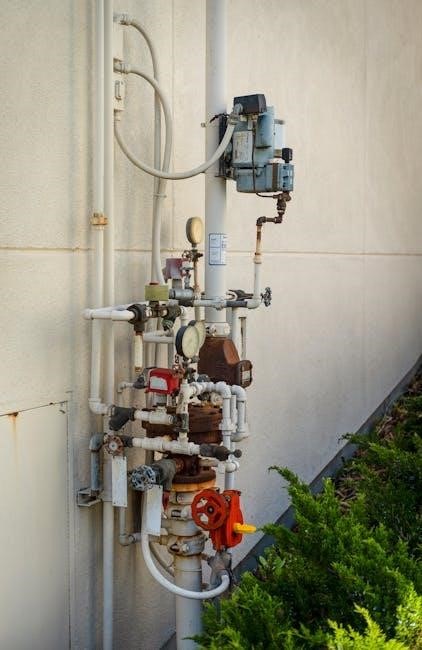
24V Taco Zone Valve Wiring
Understanding 24V Systems: The 24V Taco Zone Valve is a common choice for residential heating and cooling systems, utilizing a low-voltage control circuit. This setup offers enhanced safety and compatibility with standard thermostat wiring. Typically, a 24V transformer provides power to the zone valve, activated by a thermostat signal.
Wiring Configuration: A standard 24V wiring configuration involves connecting the common wire from the transformer to one terminal on the valve. The other valve terminal connects to the thermostat’s zone output. When the thermostat calls for heat or cool, it completes the circuit, energizing the valve and allowing water flow. Important: Always verify correct polarity and wire gauge for optimal performance. Refer to the specific wiring diagram PDF for your Taco model.
Troubleshooting Tip: If the valve doesn’t operate, check the transformer output voltage and thermostat settings. A faulty transformer or incorrect thermostat programming are frequent causes of issues.
120V Taco Zone Valve Wiring
High-Voltage Considerations: 120V Taco Zone Valves are typically found in older or commercial systems, requiring direct connection to a 120V power source. Caution: Working with 120V electricity presents a significant safety risk; always disconnect power before any wiring work. These valves often utilize a relay controlled by the thermostat to switch the higher voltage.
Wiring Procedure: The wiring involves connecting the 120V hot wire to one side of the valve’s coil, and the neutral wire to the other. The thermostat controls a relay, which then switches the 120V power to the valve. Proper grounding is crucial for safety. Note: Always consult the specific wiring diagram PDF for your Taco model to ensure correct connections.
Safety First: Due to the higher voltage, professional installation is strongly recommended. Incorrect wiring can lead to electrical shock or fire hazards. Double-check all connections before restoring power.
Taco 571-Series Zone Valve Wiring
Understanding the 571 Series: The Taco 571-Series zone valves are commonly used in hydronic heating systems and typically operate on 24V AC power. These valves feature a normally closed configuration, meaning they block flow until energized. Key Components: Wiring involves connecting the valve to a 24V transformer, a thermostat, and a common wire.
Wiring Configuration: The 571 series usually has three terminals: R (power), W (valve control), and C (common). The R terminal connects to the 24V hot wire from the transformer. The W terminal receives the signal from the thermostat when heat is called for. The C terminal completes the circuit back to the transformer.
Diagram Reference: Always refer to the specific Taco 571 wiring diagram PDF for your exact model, as variations exist. Proper wiring ensures efficient and safe operation of your heating zones.
Taco 573-Series Zone Valve Wiring
Exploring the 573 Series: Taco 573-Series zone valves are versatile components often found in residential and light commercial hydronic heating systems. They generally operate on 24VAC, but some models may utilize 120VAC; These valves are known for their reliable performance and ease of installation. Key Wiring Considerations: Correct voltage and terminal identification are crucial for proper function.
Wiring Details: Typically, the 573 series features terminals labeled R (power), W (valve activation), and C (common). The R terminal connects to the hot side of the 24V or 120V transformer. The W terminal receives the signal from the thermostat, initiating valve opening. The C terminal provides the return path to the transformer.
Essential Resource: Always consult the specific Taco 573 wiring diagram PDF for your model number to avoid errors and ensure a safe, functional installation.
Wiring Configurations
Discover versatile setups! Explore single and multi-zone wiring, common terminal connections, and configurations utilizing separate transformers for optimal system control.
Single Zone Wiring Diagram
Simplifying Comfort Control: A single-zone wiring diagram represents the most basic application of a Taco Zone Valve, ideal for controlling heating or cooling in a single, independent area of your home. Typically, this setup involves connecting the zone valve directly to a thermostat, a 24V power source (often from your HVAC system’s control board), and the associated heating or cooling unit.
Key Components & Connections: The thermostat sends a signal to the zone valve when heat is requested. This signal energizes the valve, opening it to allow hot water (for heating) or chilled water (for cooling) to flow through the zone. A common wire (C) provides the necessary return path for the 24V signal. Carefully follow the wiring diagram to ensure correct connections, paying close attention to terminal designations. Incorrect wiring can lead to valve malfunction or system damage. Diagrams clearly illustrate the flow of electricity and the sequence of operations.
PDF Resources: Detailed single-zone wiring diagrams are readily available in Taco Comfort Solutions’ PDF manuals, offering visual guidance for a successful installation.
Multi-Zone Wiring Diagram
Expanding Your Control: Multi-zone wiring diagrams illustrate how to manage temperature independently in multiple areas of your home using several Taco Zone Valves. This setup requires a more complex wiring configuration, typically utilizing a central control panel or multiple thermostats connected to a single power source and a master control board.
Centralized Management: Each zone valve corresponds to a specific area, opening or closing based on the thermostat’s demand in that zone. The control panel coordinates these valves, ensuring efficient heating or cooling only where needed. Common wiring includes a shared 24V power source, individual thermostat wires to each valve, and a common wire for signal return.
PDF Clarity: Taco’s comprehensive PDF wiring diagrams for multi-zone systems provide clear visual representations of these connections, simplifying installation and troubleshooting. These diagrams are essential for understanding the interplay between thermostats, control panels, and zone valves.
Wiring with a Common Terminal
Understanding Common Connections: Many Taco Zone Valve wiring diagrams utilize a common terminal, serving as a central return path for the control signal. This configuration simplifies wiring, especially in multi-zone systems, by consolidating the return wires into a single point. The common terminal is typically connected to the power source’s neutral or common wire, providing a consistent ground for the control circuit.
Simplified Circuitry: When wiring with a common terminal, each zone valve receives a separate control wire from the thermostat or control panel, while all return wires connect to this shared terminal. This reduces the number of individual wires needed, streamlining the installation process.
PDF Guidance: Taco’s detailed PDF wiring diagrams clearly illustrate the common terminal’s location and connection points, ensuring correct wiring and optimal system performance. Always refer to the specific diagram for your valve model.
Wiring with a Separate Transformer
Independent Power Source: Utilizing a separate transformer for your Taco Zone Valve system provides dedicated power, isolating the valve control circuit from potential interference or voltage fluctuations in the main electrical panel. This is particularly beneficial in larger systems or environments with inconsistent power supplies.
Voltage Matching: Ensure the transformer’s output voltage precisely matches the valve’s requirements (typically 24V). Incorrect voltage can damage the valve or prevent proper operation. Taco’s wiring diagrams in the PDF documentation clearly specify the required voltage for each model.
Wiring Considerations: When employing a separate transformer, connect the transformer’s secondary side to the valve’s power terminals, following the diagram’s guidance. Proper grounding is crucial for safety and reliable operation. Refer to the Taco PDF for detailed instructions.

Troubleshooting Wiring Issues
Resolve connectivity problems! This section of the Taco Zone Valve PDF guides you through diagnosing and fixing common wiring faults for optimal system function.
No Power to the Valve
Diagnosing a lack of power is the first step. If your Taco Zone Valve isn’t receiving power, carefully review the wiring diagram PDF. Begin by verifying the power source – is the transformer functioning correctly? Use a multimeter to confirm 24V or 120V (depending on your valve model) is reaching the terminal block.
Check the circuit breaker or fuse supplying power to the heating system. A tripped breaker or blown fuse will immediately cut power. Inspect all wire connections for looseness or corrosion, ensuring a secure and clean contact. Confirm the thermostat is calling for heat; a faulty thermostat won’t send the signal to open the valve.
Review the Taco Zone Valve wiring diagram PDF for correct wiring. Incorrect wiring can prevent power from reaching the valve. If issues persist, consult a qualified HVAC technician for assistance, referencing the diagram for accurate troubleshooting.
Valve Doesn’t Open/Close
A non-responsive valve requires systematic investigation. First, consult your Taco Zone Valve wiring diagram PDF to confirm correct wiring. Even with power, incorrect connections can prevent operation. Verify the thermostat is actively calling for heat or cooling – a signal issue is common.
Manually test the valve actuator if possible (refer to the PDF for instructions). A stuck or faulty actuator is a frequent cause. Check for obstructions within the valve body itself; debris can physically block movement. Inspect the wiring connections while power is off for corrosion or damage.
Consider the possibility of a faulty valve. If the actuator tests good and wiring is correct, the valve itself may be defective. Replacement might be necessary. Always prioritize safety and consult a qualified HVAC professional if you’re uncomfortable with any troubleshooting step, utilizing the wiring diagram as a guide.
Wiring Diagram Doesn’t Match Actual Wiring
Discrepancies demand caution! If your Taco Zone Valve wiring diagram PDF doesn’t align with the existing wiring, do not proceed without careful analysis. Previous modifications or incorrect initial installation are likely culprits. Immediately disconnect power to prevent damage or electrical shock.
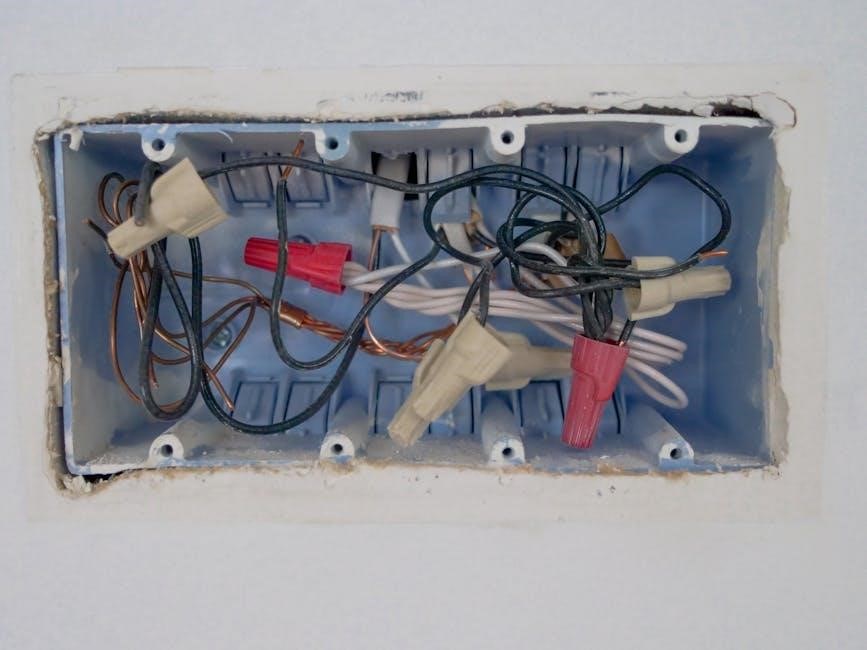
Thoroughly trace each wire, documenting its origin and destination. Compare this physical tracing to multiple wiring diagrams – Taco’s website offers various resources. Look for evidence of previous work, like wire nuts or different colored wire segments. A mismatch could indicate a safety hazard.
Create a new, accurate diagram reflecting the actual wiring. This becomes your new reference. If unsure, consult a qualified HVAC technician to verify the wiring and ensure it meets safety standards. Never assume; always confirm before restoring power, referencing the updated diagram.
Safety Precautions
Prioritize safety always! Disconnect power before wiring, utilize proper tools, and adhere to electrical guidelines for a secure and successful Taco Zone Valve installation.
Electrical Safety Guidelines
Working with electricity demands respect and caution. Always assume all wires are live until proven otherwise. Never attempt wiring repairs while power is connected; complete disconnection at the breaker panel is paramount. Utilize insulated tools specifically designed for electrical work to minimize the risk of shock or short circuits.
Ensure the wiring area is dry and well-lit, avoiding damp environments that increase electrical hazards. Familiarize yourself with local electrical codes and regulations before commencing any work. If you are uncomfortable or lack experience with electrical wiring, immediately consult a qualified electrician. Improper wiring can lead to fire hazards, equipment damage, and personal injury.
Double-check all connections for tightness and proper insulation. Avoid overloading circuits, and always use appropriately sized wiring for the intended load. Regularly inspect wiring for signs of damage, such as frayed insulation or loose connections, and address them promptly. Remember, safety is not just a precaution; it’s a necessity.
Disconnecting Power Before Wiring
Prioritize safety: Before initiating any work on your Taco Zone Valve wiring, completely disconnect the power supply at the circuit breaker panel; Do not rely solely on switching off the thermostat or zone controller; this may not fully isolate the wiring. Locate the breaker that controls the valve’s circuit and switch it to the “OFF” position.
Verify the power is off using a non-contact voltage tester. Test each wire connected to the valve to confirm no voltage is present. This crucial step prevents accidental shock and ensures a safe working environment. Clearly label the breaker to indicate that work is in progress, preventing someone from inadvertently restoring power.
Double-check your work and ensure all tools are properly insulated. Remember, even a momentary contact with live wires can be dangerous. Once power is confirmed off, you can proceed with the wiring process with confidence and peace of mind.
Using Proper Tools
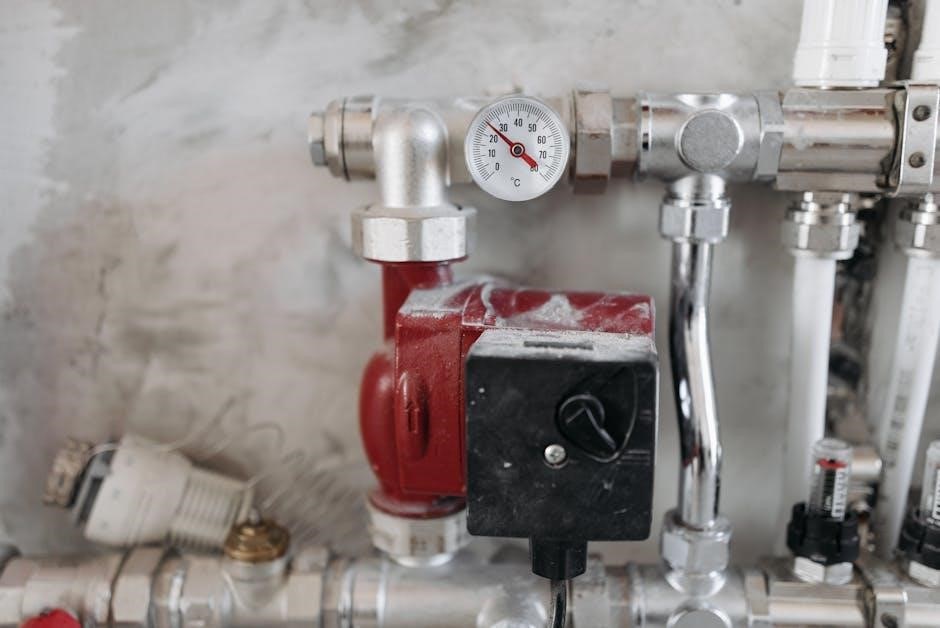
Ensure precision and safety by utilizing the correct tools for your Taco Zone Valve wiring project. Essential tools include insulated screwdrivers – both flathead and Phillips head – to prevent shorts and protect against electrical shock. Wire strippers are crucial for cleanly removing insulation without damaging the conductors. A wire connector tool simplifies and secures wire connections.
A non-contact voltage tester is indispensable for verifying power is off before commencing work. Pliers, both needle-nose and standard, aid in bending and manipulating wires. Consider a multimeter for testing voltage and continuity, confirming proper circuit function.
Always inspect tools for damage before use, replacing any worn or cracked components. Using the right tools not only improves the quality of your work but also significantly reduces the risk of injury and ensures a reliable, long-lasting installation.
Resources & Downloads
Access vital support! Find Taco Zone Valve wiring diagram PDFs, explore the Taco Comfort Solutions website, and connect with helpful online forums today!
Finding Taco Zone Valve Wiring Diagram PDFs
Locating the correct wiring diagram is crucial for a successful installation or repair. Several online resources offer Taco Zone Valve wiring diagram PDFs, catering to various models and series. Begin your search on the official Taco Comfort Solutions website; they frequently provide downloadable resources directly related to their products.
Beyond the manufacturer’s site, numerous HVAC-focused websites and forums host collections of wiring diagrams submitted by users and professionals. These can be incredibly valuable, especially for older or less common valve models. However, always verify the diagram’s accuracy against your specific valve’s model number before proceeding with any wiring work.
Be cautious of unofficial sources and prioritize diagrams from reputable websites. Look for diagrams that are clear, legible, and include all necessary terminal designations. A well-maintained PDF will significantly reduce the risk of errors and ensure a safe and functional system. Remember to save a copy for future reference!
Taco Comfort Solutions Website
The Taco Comfort Solutions website (tacocomfort.com) is the primary and most reliable source for official Taco Zone Valve wiring diagram PDFs. Navigate to their “Support” or “Downloads” section, where you can typically filter by product type – specifically, Zone Valves – to narrow your search.
Utilize the model number search function; entering your valve’s exact model number will yield the most accurate and relevant wiring diagrams. Taco frequently updates its documentation, ensuring you access the latest information. Beyond diagrams, the website offers detailed product specifications, installation manuals, and troubleshooting guides.
Registering an account on the Taco website may unlock access to exclusive resources and support materials. Explore their “Resource Center” for additional helpful content. Remember, relying on the official manufacturer’s documentation minimizes the risk of using incorrect or outdated wiring information, safeguarding your system and ensuring optimal performance.
Online Forums & Support Communities
Numerous online forums and support communities dedicated to HVAC systems and home improvement can be valuable resources for finding Taco Zone Valve wiring diagram PDFs and troubleshooting assistance. Websites like HVAC-Talk, Reddit’s r/HVAC, and DIY home improvement forums often host threads discussing Taco zone valve wiring.
Experienced technicians and DIY enthusiasts frequently share wiring diagrams, photos of their setups, and advice on resolving common wiring issues. However, exercise caution when relying on information from these sources; always verify the accuracy of any diagram before implementing it.
Cross-reference information with the official Taco Comfort Solutions website to ensure compatibility and safety. These communities can provide practical insights and alternative perspectives, but should not replace official documentation. Search specifically for your valve’s model number within the forum to find targeted discussions.
Leave a Reply